
GFCI Outlet Rules for Kitchens, Bathrooms, Garages, and Outdoors in St. Louis, MO (Homeowner Guide)
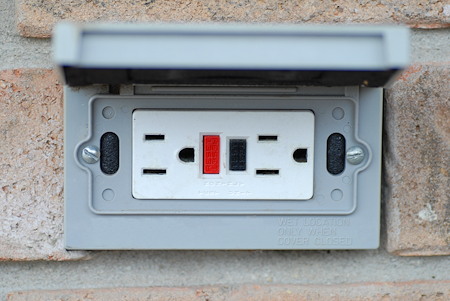
If you are planning gfci outlet installation in St. Louis, you want clear rules and plain language. This guide explains where protection is typically required, what causes nuisance trips, and how St. Louis homes benefit from professional electrical upgrades. For bigger projects or wiring changes, a licensed residential electrician from Anytime Electric can review your panel, circuits, and outlet locations.
What Is a GFCI and Why It Matters in St. Louis Homes
A Ground-Fault Circuit Interrupter, or GFCI, is a safety device that quickly shuts off power if it detects current leaking to ground. That kind of leak can happen when water, worn cords, or damaged insulation create a dangerous path. In our area, spring storms, basement dampness, and outdoor humidity raise the risk. Adding GFCI protection is one of the simplest ways to reduce shock hazards in older brick homes from Tower Grove to the Central West End and bungalows throughout South City.
- It reacts faster than a standard breaker to protect people, not equipment.
- It is commonly installed as an outlet or as a GFCI breaker in the panel to protect multiple downstream receptacles.
Where GFCI Protection Is Typically Required
Most modern electrical codes call for GFCI protection anywhere moisture is likely or where floors are conductive, like concrete. Local adoption and enforcement can vary by municipality and by the age of your home, so always rely on a licensed electrician for final guidance.
Kitchens
Kitchen countertop receptacles often need GFCI protection because water, metal sinks, and small appliances share tight spaces. If you are adding outlets for a coffee bar in Shaw or refreshing a condo kitchen downtown, plan GFCI protection for any receptacle near food prep, sinks, or wet areas. When layout changes or you add new circuits, it frequently ties into electrical wiring updates that should be handled by a pro.
Bathrooms
Every bathroom outlet should be GFCI protected, whether it is for hair tools, shavers, or cleaning devices. Steam and splashes are part of daily life, and protection helps reduce shock risk in tight rooms found in many historic St. Louis homes.
Garages and Workshops
Garages often have bare concrete floors, damp conditions, and power tools. That mix raises risk. GFCI protection in attached and detached garages is a common safety expectation for outlets that serve general use, door openers, and hobby benches from Clifton Heights to Dogtown.
Outdoors
Any exterior outlet needs protection, plus a weather-resistant device and an in-use cover. This matters throughout St. Louis County, where wind-driven rain and winter freeze-thaw cycles can push moisture into boxes on porches, patios, and near landscaping.
GFCI Outlet Installation St. Louis: How Pros Plan Safe Upgrades
Every home is different. Brick walls, plaster, finished basements, and older panels affect how an electrician designs protection. In many cases, one GFCI device can protect other outlets on the same run, but only when the wiring and box fill meet safety standards. If your home in Maplewood or Kirkwood has mixed copper and older aluminum branch circuits, a licensed pro will choose devices and terminations that match the wiring type and condition.
When remodeling a kitchen or adding a bath, GFCI decisions are part of the larger circuit plan. That is why upgrades often go hand in hand with safe electrical wiring changes, including box sizing, grounding checks, and breaker labeling.
Why Your GFCI Keeps Tripping
A GFCI that trips again and again is sending you a message. The device might be working perfectly and reacting to a real problem, or it may be worn out. Either way, repeated trips are not normal and should be checked by a pro.
- Moisture inside the box or cover, especially after storms or heavy cleaning
- Appliance issues, like a failing toaster, pressure washer, or hair dryer
- Damaged cords, crushed extension cables, or nicked insulation behind the outlet
- Shared neutrals or wiring irregularities that confuse the device
- Aging GFCI devices that no longer hold calibration
Homeowners in Chesterfield, Florissant, and Soulard often notice tripping after seasonal changes. Spring humidity, winter condensation, and outdoor holiday lighting can all expose weak points. If your device trips after rain or snow, schedule an inspection instead of resetting it over and over. You can start with trusted help at gfci outlet installation St. Louis, MO and speak with Anytime Electric about next steps.
Kitchen GFCI: Practical Placement Tips for Remodels
While this is not a DIY guide, it helps to know how pros think during a remodel. Electricians look at sink locations, islands, and small appliance zones, then plan protected countertop and dining-area receptacles. They also consider microwave carts, pantry plugs, and refrigerator circuits to keep nuisance trips down without skipping safety. In lofts downtown and ranch homes in Affton, the right layout protects wet areas while keeping everyday cooking comfortable.
Bathroom GFCI: Space, Steam, and Storage
Bathrooms pack a lot into small rooms. Professionals select devices rated for damp locations and verify that the box, cover, and trim fit snugly. They also check mirror heaters, bidets, and towel warmers that may need separate protection. If you are adding a second vanity in University City or finishing a third-floor bath in a Shaw Victorian, careful circuit planning helps keep lights steady while outlets stay protected.
Garage GFCI: Tools, Freezers, and Door Openers
Garages double as workshops and storage for many St. Louis families. Door openers, chest freezers, shop vacs, and chargers can all share space. Pros map out dedicated circuits where needed and maintain GFCI protection for general-use outlets on concrete floors. That way, when you plug in a new tool or seasonal heater, the system stays safe and predictable.
Outdoor GFCI: Weather-Resistant Gear That Lasts
Exterior outlets near patios, decks, driveways, and gardens must deal with rain, lawn sprinklers, and temperature swings. Electricians use weather-resistant devices, gasketed covers, and tight fittings to help keep moisture out. In older brick or stone walls, the mounting box and sealant matter just as much as the outlet itself. Good materials and fit reduce nuisance trips after thunderstorms and during hot, humid August nights.
Testing and Maintenance for Peace of Mind
Even reliable devices wear out. Electricians recommend regular testing using the outlet’s built-in buttons and periodic professional checks during panel or circuit service. An annual walkthrough in the spring or fall is common for many St. Louis homeowners, timed with gutter cleaning and HVAC filter changes. If anything seems off, call a licensed pro rather than living with a mystery trip that could point to a larger problem.
What Affects Outlet Replacement Cost in St. Louis
Exact pricing depends on your home and the work required. Older boxes, tight tile backsplashes, limited access in plaster walls, and panel space can change the scope. Weather-resistant outdoor devices, in-use covers, and specialty locations also play a role. A straightforward swap is different from a small rework inside a crowded box, and different again from a panel-level solution. The best way to understand options is to have a licensed electrician evaluate your layout and wiring age first.
How St. Louis Home Styles Influence GFCI Choices
From brick four-squares in Benton Park to mid-century homes in Crestwood, construction details shape installation plans. Thick plaster and lath, ungrounded legacy circuits, or shallow boxes demand careful device selection and terminations. Finished basements in South County often concentrate laundry, baths, and sump pumps in one area. That clustering makes GFCI protection even more important because moisture and appliances sit side by side.
When to Consider Panel-Level Protection
Sometimes a GFCI breaker in the main panel is the cleaner choice. This can simplify protection for multiple downstream receptacles, especially when access to each individual box is tight. It also places the safety device in a controlled environment away from humidity or sunlight. A licensed pro will compare outlet-level protection with panel-level options and pick the approach that best fits your wiring and usage.
Common Signs It Is Time to Call an Electrician
Watch for flickering lights when you plug in appliances, warm outlet covers, repeated trips in dry weather, or cracked devices. These signals can point to worn parts, loose connections, or overloaded circuits. Do not ignore repeated GFCI trips. Calling a pro early often prevents a simple issue from growing into a larger repair.
Plan Your Next Step With a Local Pro
Whether you are modernizing a Lafayette Square kitchen or adding patio outlets in Clayton, start smart. Review your goals with a licensed electrician who knows local housing styles, weather patterns, and inspection expectations. For safe design and clean work, Anytime Electric is ready to help.
If you want a fast starting point, visit Anytime Electric for gfci outlet installation St. Louis, MO. We will map out the right protection in kitchens, baths, garages, and outdoor areas so your home is safer in every season.
Safety tip: If a GFCI trips after a storm or snowmelt, leave it off and call Anytime Electric. Never bypass a GFCI to “make it work.” Your safety comes first, and a quick visit can save time and worry.