
Flickering Lights in Your Home: Common Causes and When to Call an Electrician
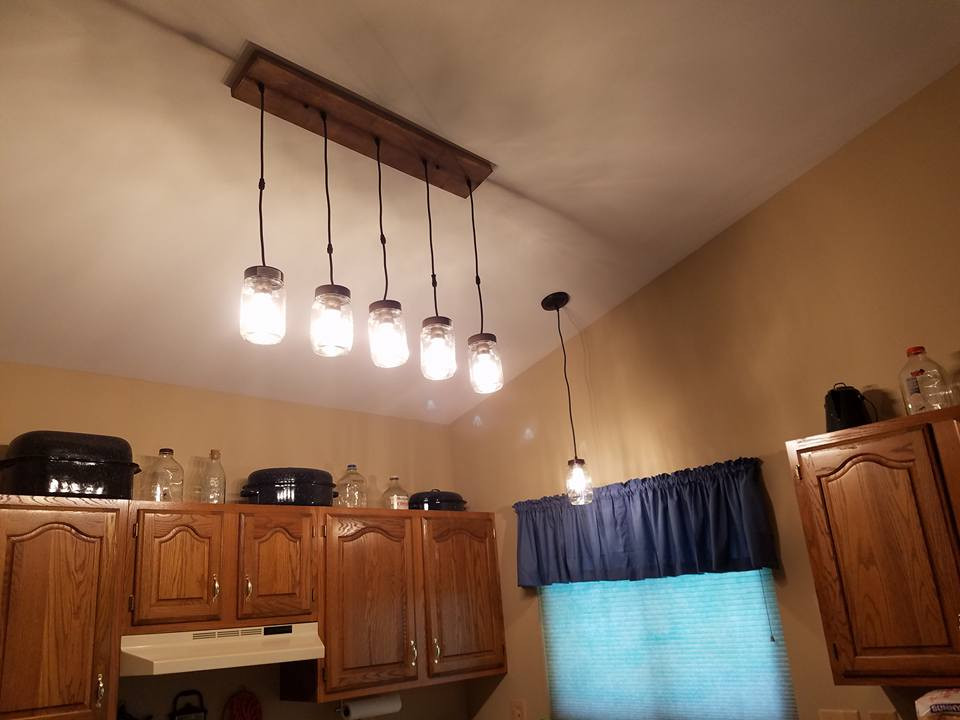
Lights that blink, dim, or shimmer are more than a nuisance. In many St. Louis homes, flickering points to worn parts, loose wiring, or a strain on your electrical system. If you have noticed this problem in one room or across the house, a licensed electrician can trace it to the true source and restore steady light. For fixture updates and safe fixes, explore our lighting upgrades and repairs to see how a pro approaches the work.
St. Louis weather, older housing stock, and heavy seasonal appliance use can all play a role. From the Central West End and Soulard to Maplewood, Clayton, and University City, homes often combine new LED fixtures with older wiring and controls. That mix creates chances for flicker and dimming, especially during peak summer cooling or winter heating loads.
You do not need to live with guesswork. Learn what common patterns mean, which signs are urgent, and when to bring in a pro from Anytime Electric. For general background on flickering lights and other safety topics, start here and share what you have observed when you call.
What Flickering Lights Really Mean
Flicker is your system’s way of saying something is not right. Sometimes it is a small compatibility issue between a dimmer and a new LED bulb. Other times it can signal a loose connection or a voltage drop on a busy circuit.
If your lights flicker when an appliance turns on, like a furnace, air conditioner, or microwave, that often points to a brief sag in voltage on that circuit or even at the service. Short dips can be normal, but deeper or longer dimming needs a closer look. Widespread, random flicker that shows up in multiple rooms is a different story and can mean your main connections need attention.
Common Causes Of Flickering Lights In St. Louis Homes
St. Louis has a wide range of home ages and wiring types. That variety brings a few common culprits to the top of the list:
- Loose or failing connections at a switch, fixture, neutral wire, or breaker. These are classic loose wiring symptoms and can grow worse over time.
- Overloaded or long circuits that experience voltage drop when large appliances start.
- Dimmer and LED mismatch, especially when old dimmers control new high-efficiency bulbs.
- Aging fixtures or ballasts in basements, garages, or kitchens that have seen years of use.
- Utility-side fluctuations during storms or after outages that cause brief dips.
- Panel issues such as worn breakers or weak connections on the bus bar.
Neighborhoods with older homes, like Tower Grove and South City, sometimes still rely on legacy wiring methods. Renovations that mixed old switches with new LEDs can make small incompatibilities show up as shimmer at low dimmer levels. In North County and the county suburbs, summer A/C demand can reveal circuit weaknesses when compressors kick on.
Patterns To Watch Before You Call
You do not need to diagnose the issue yourself. It does help to notice patterns and share them with your electrician. Keep track of what you see so a pro can zero in quickly:
- Does the flicker happen in one room, one circuit, or the whole house?
- Does it only occur when a specific appliance starts or while several devices run?
- Is it worse at certain times of day or during storms?
- Do you hear buzzing at a switch, feel warmth on a dimmer, or smell anything unusual?
- Are the bulbs and dimmers rated for use together?
Do not ignore burning smells, warm switches, or buzzing from a fixture or panel. Those warning signs deserve a prompt visit from a licensed electrician.
St. Louis summers can stress circuits when air conditioners cycle on and off, which may cause brief dimming. If your lights dip noticeably whenever large equipment starts, note the time and room. Sharing that detail helps your electrician pinpoint whether the issue is on one circuit, the panel, or the service.
When Flickering Becomes An Electrical Hazard
Some flicker is just annoying. Some is a safety risk. Here are situations that call for fast, professional attention:
If lights flicker randomly across several rooms, the problem could be at a main neutral or a feed that serves multiple circuits. A failing neutral is serious because it can swing voltages and damage sensitive electronics. Lights that dim hard when the furnace or A/C starts can also indicate a weak connection or undersized run that a pro should evaluate.
Watch for flicker that grows worse over days or weeks. That pattern suggests heat and wear at a loose junction. Persistent or worsening flicker tied to warmth, odor, or visible arcing is an electrical danger and should be checked immediately. In older fixtures, internal parts can loosen with vibration. In panels, tired breakers or corroded lugs can create heat and intermittent power.
How A Licensed Electrician Finds The Root Cause
Electricians follow a methodical process to separate minor nuisances from real hazards. Here is how a typical visit may unfold:
They start with your notes, then observe the lighting and the loads that trigger the issue. Next, they identify which circuits feed the affected lights and test connections at switches and fixtures. They check for dimmer-to-LED compatibility and verify that bulbs meet the fixture’s rating.
At the panel, a pro measures voltage under load to see how far it dips when a large appliance starts. They examine neutrals and grounds for tightness and corrosion and look for signs of heat or wear on breakers. If a utility fluctuation is suspected, they document readings you can share with the power company. If the solution calls for upgrading fixtures or controls, your electrician will recommend compatible parts and safe wiring methods.
When lighting needs replacement or a circuit needs relief, your technician may propose updated controls, new fixtures, or dedicated circuits to reduce dips. You can read more about how a pro approaches fixture selection, controls, and safe terminations in our page on professional lighting services.
Why Older Homes And Renovations See More Flicker
Many St. Louis homes built before modern lighting controls were designed for simple on-off switches and incandescent bulbs. LEDs use much less power and behave differently on older dimmers. That is why “shimmer” at low dim levels is a common complaint after a remodel. Mixing brands of lamps and dimmers can make that worse, especially in kitchens and living rooms where recessed lighting is common.
Renovations can also hide stressed splices behind fixtures or in boxes that are crowded. Over time, thermal cycling causes expansion and contraction at those splices. If the connection weakens, lights may flicker as current flows across a small gap. In some 1960s to 1970s construction, certain branch circuits may use materials that require special connectors and torque to stay reliable. A licensed electrician will know which methods keep those connections secure without guesswork.
Seasonal And Weather-Related Factors In St. Louis
Thunderstorms, high winds, and ice events can cause brief utility voltage swings. After an outage, you might notice lights blinking until the grid stabilizes. Summer humidity and heat also push air conditioners to work harder. If your lights dim each time the compressor starts, that is your cue to have a pro evaluate the run length, wire size, and terminations that serve both the lighting and the A/C circuit.
Homes in areas like Kirkwood, Richmond Heights, and Webster Groves often have mature trees that add to the charm but can stress overhead service lines during storms. If flicker seems worse in bad weather, mention it during scheduling so your electrician can plan the right tests.
What You Can Safely Observe And Share
Without taking anything apart, you can help speed diagnosis by paying attention to a few simple details. This is not about DIY repairs. It is about good communication:
Write down which lights flicker, when it happens, and whether it lines up with big appliances starting. Note if a single room seems affected or if it occurs house-wide. Check product labels on bulbs and dimmers so your electrician knows the brands and models in play. That information narrows the field to the most likely cause.
Repairs And Improvements A Pro May Recommend
Once the root cause is clear, your electrician will outline a fix. That could be as simple as using a dimmer that is rated for your specific LED lamps. It may involve refreshing weak connections at switches, fixtures, or panel lugs. In other cases, the answer is a dedicated circuit for a large appliance so lighting does not share that startup load.
In spaces where lighting performance matters, like home offices or kitchens, a pro may propose higher quality drivers and controls to keep illumination steady. Where storms and brief sags are common, surge protection and better load balancing can help protect sensitive electronics and reduce nuisance flicker.
When To Call An Electrician In St. Louis, MO
Call right away if you notice widespread, random flicker; flicker that is getting worse; dimming tied to heat or a burning odor; or lights that stay dim after a large appliance starts. These patterns can point to unsafe conditions behind the scenes and should be checked by a licensed electrician.
Need help with flickering lights in St. Louis? Schedule a licensed electrician today. Reach out to Anytime Electric at 314-280-0997 for prompt, professional service you can trust.
If you are planning fixture updates or want better control in high-use rooms, consider a pro’s help from the start to match lamps and dimmers, balance loads, and keep wiring safe for the long term. You can learn what to expect from a visit and discuss your options during a professional lighting inspection with our team.
Why Homeowners Choose Anytime Electric
Local knowledge matters. Our electricians work in historic bungalows, brick four-squares, and modern builds across the St. Louis area every week. We understand how seasonal loads, older wiring, and new LED technology interact. We take time to listen, test, and explain so you know exactly what is happening and why your lights will be steady again.
Whether you are in Downtown, South City, the Central West End, or the surrounding suburbs, we bring the right tools and parts to solve flicker at the source. We also coordinate with the utility when needed and provide clear, written recommendations so you can make confident decisions.