Electrical Panel Upgrade vs. Repair in St Louis, MO: How to Choose
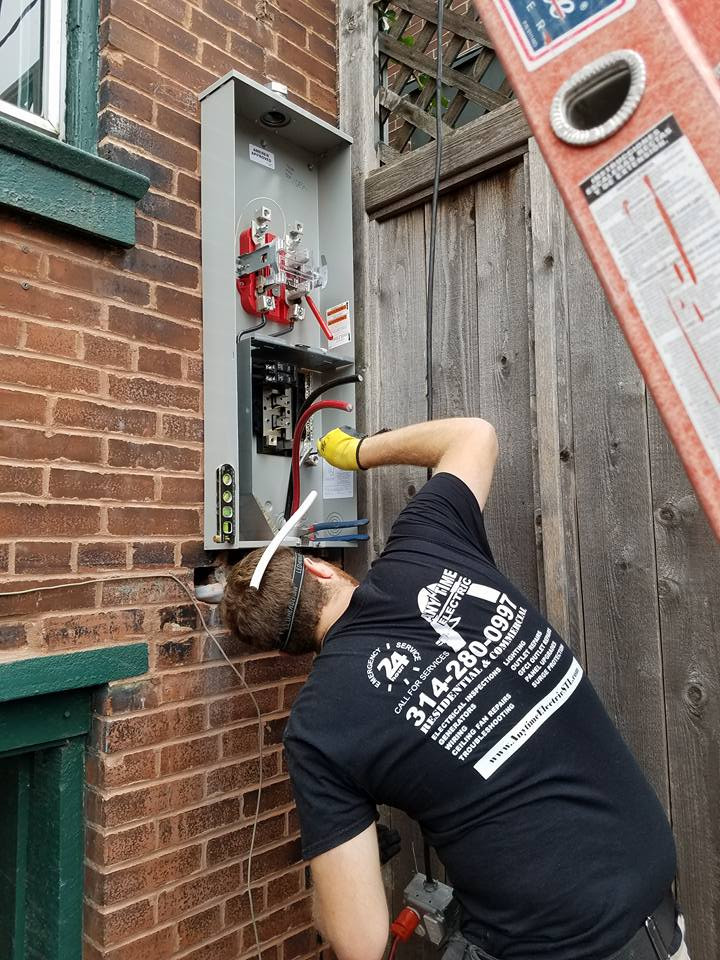
If lights flicker, breakers trip, or you are planning new appliances, you might be torn between an electrical panel upgrade and a simple repair. This guide explains how to decide with clear, local examples from St Louis homes, so you can protect your family and your investment. If you are leaning toward a full upgrade, start by reviewing our electrical panel upgrade service to see what professional help looks like.
Quick Way To Tell If You Need Repair Or Upgrade
The fastest path is to look at age, symptoms, and future needs. A targeted repair can restore safe operation when issues are small and isolated. An upgrade is the smarter move when your home has growing power demands, repeat problems, or older equipment that no longer supports today’s loads in St Louis weather.
When a Repair Often Makes Sense
- A single weak breaker that trips after years of reliable service.
- Loose or corroded lugs that can be tightened or replaced.
- Minor moisture intrusion that can be sealed after correcting the source.
- Labeling clean‑up and organizing circuits for clarity.
When an Upgrade Is Usually the Better Call
- Frequent nuisance tripping across several circuits, especially during summer A/C peaks or when space heaters run in winter.
- Panel is decades old, crowded, or has obvious rust, heat discoloration, or a buzzing sound.
- Plans for EV charging, a hot tub, a finished basement with a kitchenette, or larger HVAC.
- Fuse box or a panel with limited slots that blocks future expansion.
Not sure where your situation lands? A licensed pro can evaluate capacity, load balance, and panel condition as part of our residential electrical services.
What Age, Condition, And Capacity Mean For Safety
Many St Louis houses still run on older panels that were sized for a different era. Age alone does not condemn a panel, yet wear, moisture, and outdated components add risk over time. Look for rust, brittle insulation, and breakers that no longer feel firm when switched.
Never ignore a hot electrical panel. Warm to the touch can happen under load, but heat, scorch marks, or a burning smell are red flags. Heat points to loose connections or overloaded circuits that need immediate attention.
Breaker Issues That Point To Larger Problems
Breakers are safety devices. They trip when something is wrong. Occasional trips after plugging in a big tool can be normal. Repeated trips on normal household use tell a different story.
Frequent tripping is a safety warning. It can mean overloaded circuits, deteriorated breaker springs, or wiring that no longer matches the breaker rating. In older St Louis bungalows and foursquares, circuit counts are often too low for today’s kitchens, window units, and basement sump pumps during storm season. A repair might tame one problem, but a right‑sized panel often fixes the pattern.
Capacity Planning For Today And Tomorrow In St Louis Homes
Think about the next five to ten years. St Louis homeowners add finished basements, backyard spas, and EV chargers every season. Planning capacity now prevents messy add‑ons and panel crowding later.
Use this simple capacity checklist as you think ahead:
- Air conditioning and dehumidifiers during humid summers.
- EV charging, even if you are only “EV‑curious” today.
- Basement projects like home offices, media rooms, or small kitchens.
- Outdoor living upgrades such as spas, pools, or heaters on the patio.
- Future appliances like induction ranges or larger dryers.
Older 60‑amp or 100‑amp services can be fully safe when loads are light. Many families, though, outgrow them. A modern panel with added spaces lets you avoid tandem stacking and creative workarounds that limit safety. For more planning ideas and safety reminders, browse our electrician tips blog.
Example Scenarios Around St Louis
South City brick homes often have small kitchens on older wiring. Once you add a microwave, toaster oven, and coffee maker on busy mornings, a single small appliance circuit struggles. A repair may help if one breaker is tired, but new dedicated circuits and a panel with space make mornings smooth again.
In University City and Webster Groves, many ranch homes were built before central A/C was common. Window units or a new high‑efficiency system add steady draw. Without open slots, you are stuck shuffling breakers. An upgrade supports the HVAC and leaves room for a future EV charger.
Condo and loft owners near Downtown and the Central West End sometimes inherit compact panels. They work until you add a fast charger for a bike or car, then there is nowhere to land a new circuit. A panel with more capacity prevents a patchwork of external boxes.
How Upgrades Affect Resale Value And Insurance Confidence
Buyers in St Louis look for signs of care. A neat, labeled panel with modern capacity tells a story that the home is ready for today’s life. It signals enough room for an extra freezer, a workshop, or a small home business without constant breaker drama.
While every market is different, real estate agents often notice that homes with updated electrical systems feel more “move‑in ready.” That comfort can support stronger offers and smoother inspections. Insurers and appraisers also tend to view newer, well‑maintained systems as lower risk compared to aging, corroded equipment.
Local insight: our hottest weeks hit hard in July and August. HVAC systems and dehumidifiers run non‑stop, which exposes weak breakers and undersized panels. Book your panel evaluation in spring to catch problems before peak heat and storms arrive.
Repair Or Replace? A Clear Path To Decision
Start with a professional load calculation. This compares your panel rating to real household demand. Then look at panel health. Corrosion, crowding, and mismatched breakers are strong upgrade signals.
If your home has older wiring types or special conditions, tell your electrician up front. Aluminum branch wiring needs special attention. Mixed metals, moisture near the meter, and outdoor subpanels all affect the plan. The goal is a system that runs cool and has room to grow without constant tinkering.
Think about daily life in St Louis. Summer storms raise sump pump use. Winter brings space heaters in older additions. If basic living trips breakers or forces you to choose which room can run, the panel is undersized. A repair can reset a single breaker, but the pattern points toward an upgrade.
When an upgrade is right, your installer will size the service, plan dedicated circuits where needed, and replace tired breakers with modern equipment. Many projects also improve grounding and labeling so anyone servicing the home later understands the system quickly. You can see how our team approaches this work by reviewing our panel upgrade process and options.
What St Louis Homeowners Should Watch And Document
Keep a simple log for two weeks. Note time of day, what was running, and which breaker tripped. Pay attention to heavy weather days. This helps your electrician see patterns and reduces guesswork during the visit.
Photograph the panel interior with the door open. Include the main rating label and any discoloration or rust. Do not remove the dead front or touch lugs. Share these photos when you schedule, so your technician arrives prepared with the right parts.
Ask about future plans during the visit. If you might add a hot tub next year, it changes the design today. Planning ahead usually shortens project time and limits disruption to your schedule.
Common St Louis Home Types And Panel Considerations
Older brick two‑stories in Shaw or Tower Grove often have long wire runs to finished attics. Voltage drop can trigger nuisance trips when window units and lights share a circuit. Extra spaces in a new panel make it easy to split those rooms onto dedicated circuits.
Split‑level homes in North County can have detached garages or sheds for hobbies. Tools and heaters out there need proper feed and protection. A panel upgrade with a planned subpanel keeps the main panel organized and safer for year‑round projects.
Newer builds in West County might already have higher capacity, yet still run short on open slots after a basement finish. The fix is cleaner when the main panel was chosen with expansion in mind. That is why capacity planning early is worth it even in relatively new homes.
Safety Mindset For Everyday Living
A healthy electrical system is quiet, cool, and almost invisible. Make it a habit to look and listen when you pass the panel on laundry day. You should not hear buzzing or smell anything sharp. Labels should match the rooms they serve.
Schedule a licensed electrician inspection yearly. Seasonal swings in St Louis can loosen connections, and small issues snowball if ignored. A short visit and thermal check can reveal heat at lugs, loose neutrals, or moisture that needs sealing. Catching this early protects appliances and electronics.
Why Choose Anytime Electric For Your Electrical Panel Work
We serve homeowners across St Louis with reliable residential electrical services, clean workmanship, and clear communication. Our team sizes panels for today and tomorrow, labels everything, and keeps your home tidy while we work. You get straight answers about repair vs. upgrade so you can make a confident choice.
Ready to talk through your home’s needs? Call 314-280-0997 to schedule a visit. If an upgrade is the right call, we will map out circuits, plan for future loads, and coordinate a smooth installation. When you prefer to read more first, explore our process on the electrical panel upgrade page.
Take The Next Step With Confidence
If you have been putting up with flickers or juggling outlets, you do not have to live that way. Start with a quick assessment, build a plan, and enjoy a system that just works. For trusted help close to home, reach out to Anytime Electric or learn more from our electrical panel upgrade experts in St Louis. We are ready to make your home safer, simpler, and ready for whatever you add next.