Electrical Panel Upgrade in St. Louis: Signs You Need a Replacement (and What It Costs)
Your electrical panel is the heartbeat of your home. When it ages or gets overloaded, problems follow. If you’re seeing warning signs in an older St. Louis home, a professional electrical panel upgrade in St. Louis can restore safety and capacity. For a licensed evaluation, explore our panel upgrade service in St. Louis and get help from a local team you can trust.
What Your Electrical Panel Does and Why It Matters
The panel routes power to every circuit, protects wiring from overloads, and helps keep your family safe. In many St. Louis neighborhoods with older brick homes and damp basements, panels live in challenging spaces. Moisture and temperature swings can speed up corrosion and wear. That’s why a healthy, modern panel is essential if you’re adding power-hungry appliances, finishing a basement, or planning home improvements.
Clear Signs You May Need an Electrical Panel Replacement
Panels do not last forever. Watch for these red flags around St. Louis homes from Tower Grove South to Ballwin and Kirkwood:
- Frequent breaker trips when running the microwave, AC, or space heaters together
- Lights that flicker or dim when big loads start, like a furnace blower or dryer
- A warm cover, a sharp “hot” smell, buzzing, or visible scorch marks
- Rust, white powdery corrosion, or water staining on or inside the box
- Limited or unlabeled spaces, crowded double‑tapped breakers, or a fuse panel
- Panels known to be unreliable from past decades or any panel 25–30+ years old
Never ignore heat or a burning odor at the panel. These can point to loose connections or failing breakers and call for a licensed electrician right away. Do not open the panel cover yourself. Live parts inside can be dangerous.
What Drives the Cost to Replace an Electrical Panel in St. Louis
Homeowners often ask about the cost to replace electrical panel equipment. Exact pricing varies and depends on your home and goals. Instead of focusing on a number, look at the factors that shape your estimate:
- Panel size and amperage: staying the same vs. moving to a 200‑amp main
- Condition of existing wiring and grounding, plus space for future circuits
- Location and accessibility of the panel, especially in tight city basements
- Required parts, safety devices, and labeling to pass inspection
- Permit, inspection, and utility coordination steps for your municipality
Older properties in areas like Soulard, The Hill, and University City may need more prep work to bring grounding and bonding up to modern standards. Newer suburbs may be simpler, but each home is unique. A licensed electrician will check load needs, evaluate the service, and explain what’s involved before any work begins.
100 Amp to 200 Amp Upgrade: When It Makes Sense
A 100 amp to 200 amp upgrade is common in St. Louis. Today’s homes run central air, induction ranges, large dryers, hot tubs, and home-office gear. Many residents are also planning for EV charging or heat pump conversions. If your panel feels “maxed out” or you’re avoiding using two big appliances at once, you may be due for more capacity.
Upgrading doesn’t always mean rewiring the whole house. If existing branch circuits are correctly sized and in good condition, your electrician may replace the panel and service equipment, add the needed breakers, and leave room for future circuits. The final scope is set after a site visit and load calculation.
Permits, Inspections, and Utility Basics
Panel upgrade permits are a standard part of the process. In our region, a licensed electrician typically pulls the permit, coordinates with the power company when needed, performs the work to local codes, and schedules the inspection. Requirements can vary by city or county. Your quote should clearly outline who files paperwork, how temporary power is handled, and when the inspection will occur. Plan a little buffer for scheduling the utility and inspection steps.
Common St. Louis Scenarios That Trigger an Upgrade
Every home is different, but we see recurring patterns across St. Louis City and County:
Major remodels or additions. Kitchen upgrades, basement finishes, and backyard entertainment spaces often need new circuits and more capacity.
Electrical vehicle charging. Level 2 chargers require a dedicated 240‑volt circuit. If your panel is full, or your service is undersized, an upgrade may be the smart first move. Learn more in our related post on EV charger installation for St. Louis homes.
Older equipment and frequent trips. If lights dim when the AC starts or a space heater trips a breaker in winter, it may be time to evaluate the whole system rather than chase one-off fixes.
Safety, Reliability, and Resale Benefits
Replacing a panel is about more than capacity. A modern, well-labeled panel improves safety, makes future projects easier, and can be a selling point during inspections. Buyers notice when electrical systems are up to date. In neighborhoods with historic housing stock, a clean, code-compliant service can set your listing apart and reduce last-minute repair requests.
What to Expect During a Professional Upgrade
While each home differs, the basic flow is predictable:
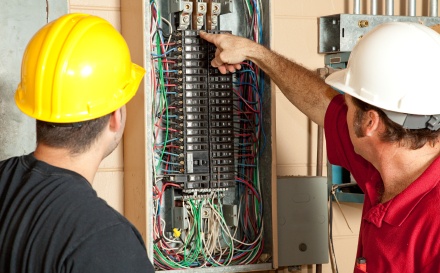
First visit. A licensed electrician evaluates the current panel, service conductors, grounding and bonding, and available spaces. They review your goals, discuss appliance plans, and recommend the right amperage. You’ll receive a written scope that explains what is included and how long the work should take.
Day of work. Power is shut off. The old panel is removed, service equipment and the new panel are installed, circuits are reconnected, and everything is labeled. Grounding and bonding are verified. Any upgrades you approved, like whole‑home surge protection, are added to protect sensitive electronics during Midwest storms.
Final steps. The electrician performs tests, the inspection is scheduled, and power is restored when cleared. You get a walkthrough so you know which breaker controls what and how to reset a tripped breaker safely. Most projects are completed within a day once scheduled, but timelines depend on access and coordination steps.
How to Think About “What It Costs” Without Guesswork
Because homes vary so much, any public price you see usually excludes details that affect your situation. A better approach is to define your must‑haves and nice‑to‑haves, then get a licensed, in‑home assessment. This avoids surprises and ensures the panel you choose fits your lifestyle for years, not months. If you are planning a hot tub, a workshop, or a future EV, say so during the visit. The most cost‑effective panel is the one that avoids rework later.
Why St. Louis Homes Benefit From Planning Ahead
Our region sees humid summers, basement moisture, and strong storms that stress electrical equipment. Many homes in South City and the Central West End still rely on older wiring methods, and some panels were installed long before today’s load needs. Planning your panel work before peak season can simplify scheduling and make your renovation timeline smoother.
Work With a Local Electrician You Can Reach
Choosing a local pro means familiar faces, faster response, and accountability. It also means someone who knows how different municipalities handle permits and inspections. If you are ready to talk specifics, you can start with our panel upgrades page and request a professional assessment from Anytime Electric.
Get Started With Anytime Electric
If you’re weighing a 100 amp to 200 amp upgrade, sorting out panel upgrade permits, or just tired of tripped breakers, we’re here to help. For a fast, friendly assessment, call 314-280-0997 or start at our home page with your electrical panel upgrade in St. Louis options. Our team will explain your choices, outline the steps, and set clear expectations so you can move forward with confidence.